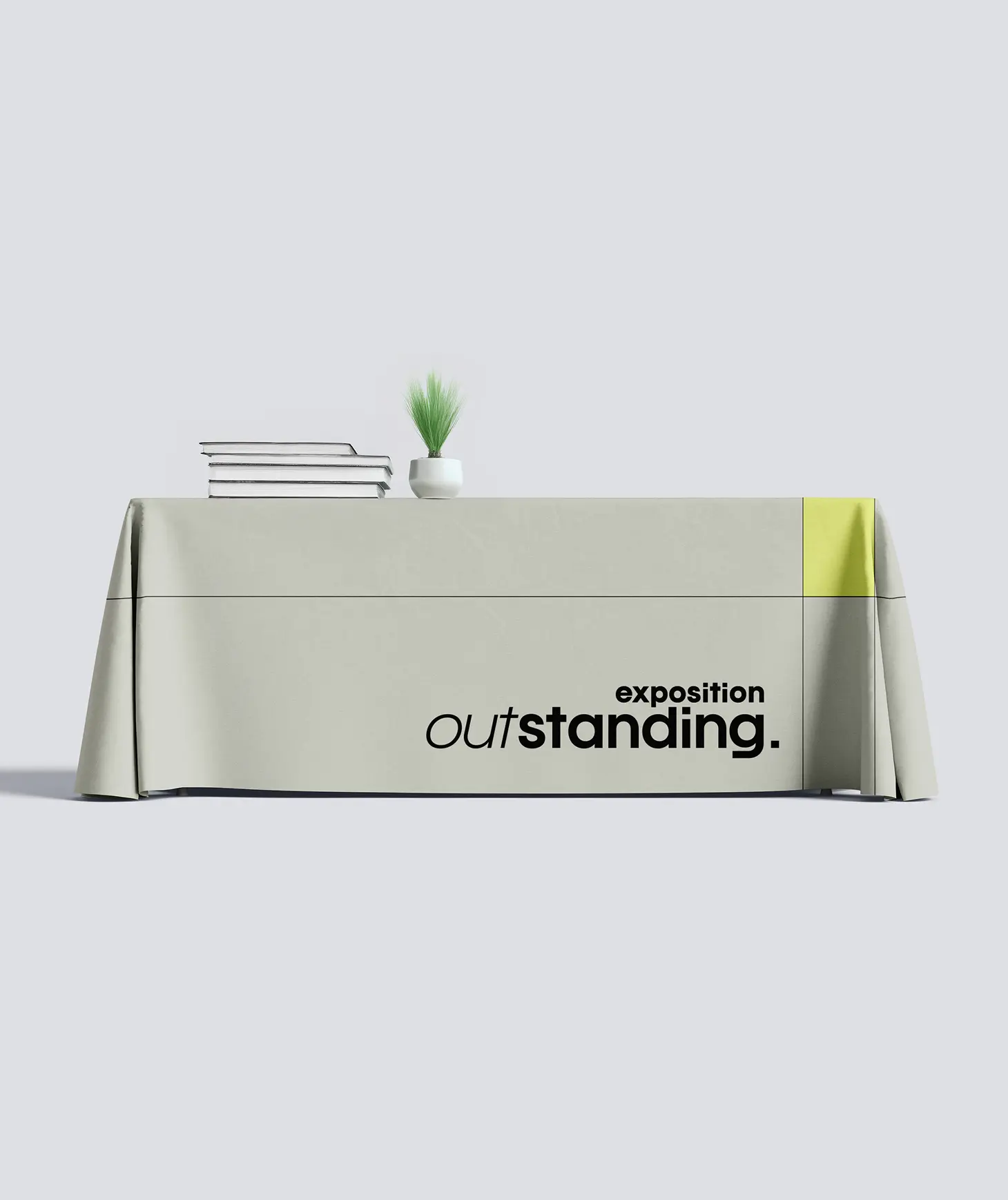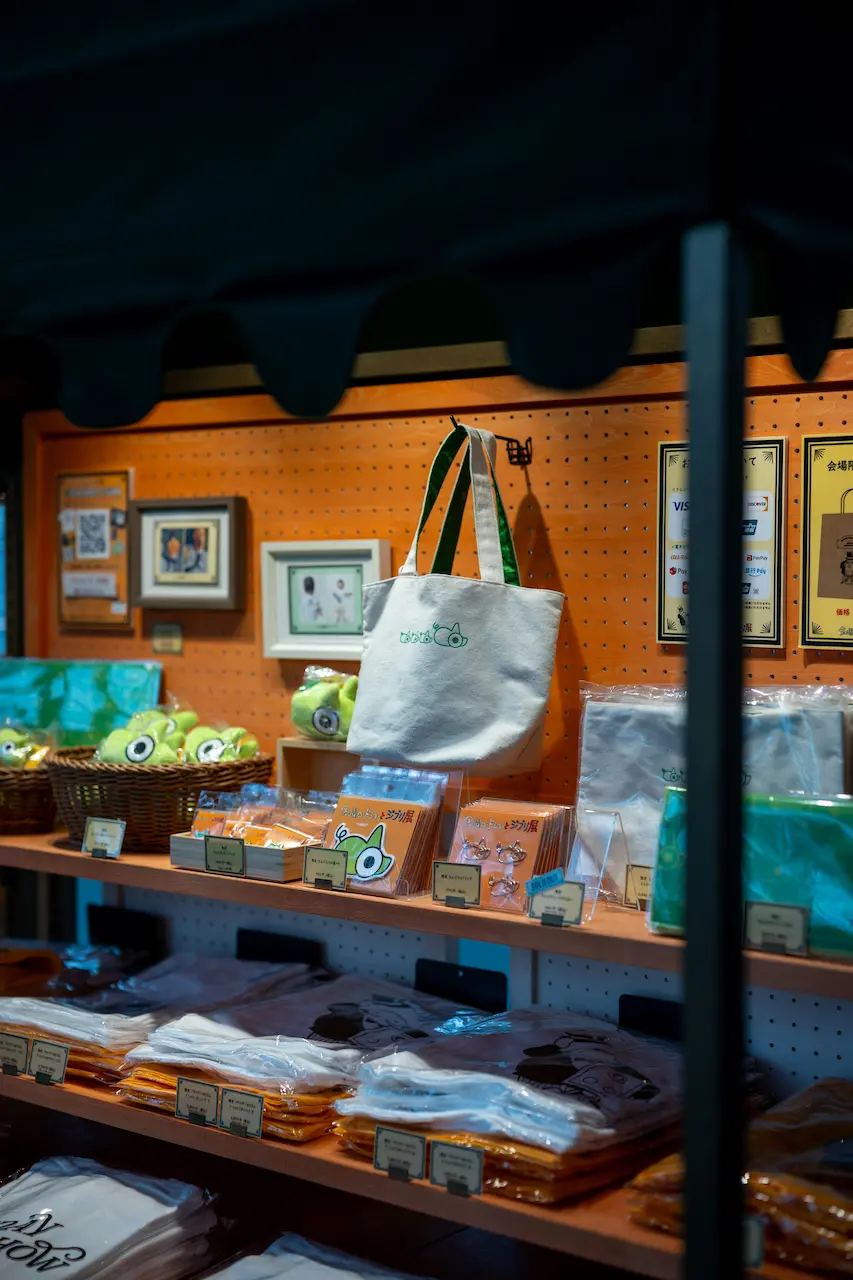
You have a great product, but on a trade show floor, it gets lost among dozens of other booths? The problem rarely lies with the product itself, but with how it’s presented, and a custom exhibition display exists precisely to fix that.
Well designed, it places your items at the right height, guides the eye, and turns a simple table into a genuine sales tool.
This article explains what a custom display is, how it differs from a podium, and how to place your products to capture attention. You’ll find a comparison of furniture types and an FAQ to help you make the right choices.
What is a custom exhibition display
A custom exhibition display is a piece of furniture designed to showcase your products in an organized, attractive way on your booth. Shelving units, wall-mounted supports, or islands, it adapts to your items rather than the other way around.
Going custom changes everything. A display built for your products respects their dimensions, your brand image, and the available space, something a generic piece of furniture rarely does.
Alongside it, you’ll often find the exhibition podium, which puts a single item in the spotlight. Together, these elements form the booth furniture that structures your presentation and guides the visitor’s path.
A good display does more than showcase. It tells a story, groups products by theme or use, and helps the visitor grasp your offering at a glance. It’s a silent sales tool that works for you throughout the show.
Display or podium, which to choose
The custom exhibition display and the podium don’t play the same role. One showcases a range, the other spotlights a single product. The table below clarifies their uses.
| Element | Main role | Ideal for |
| Display | Showcase several products | Product ranges, accessories |
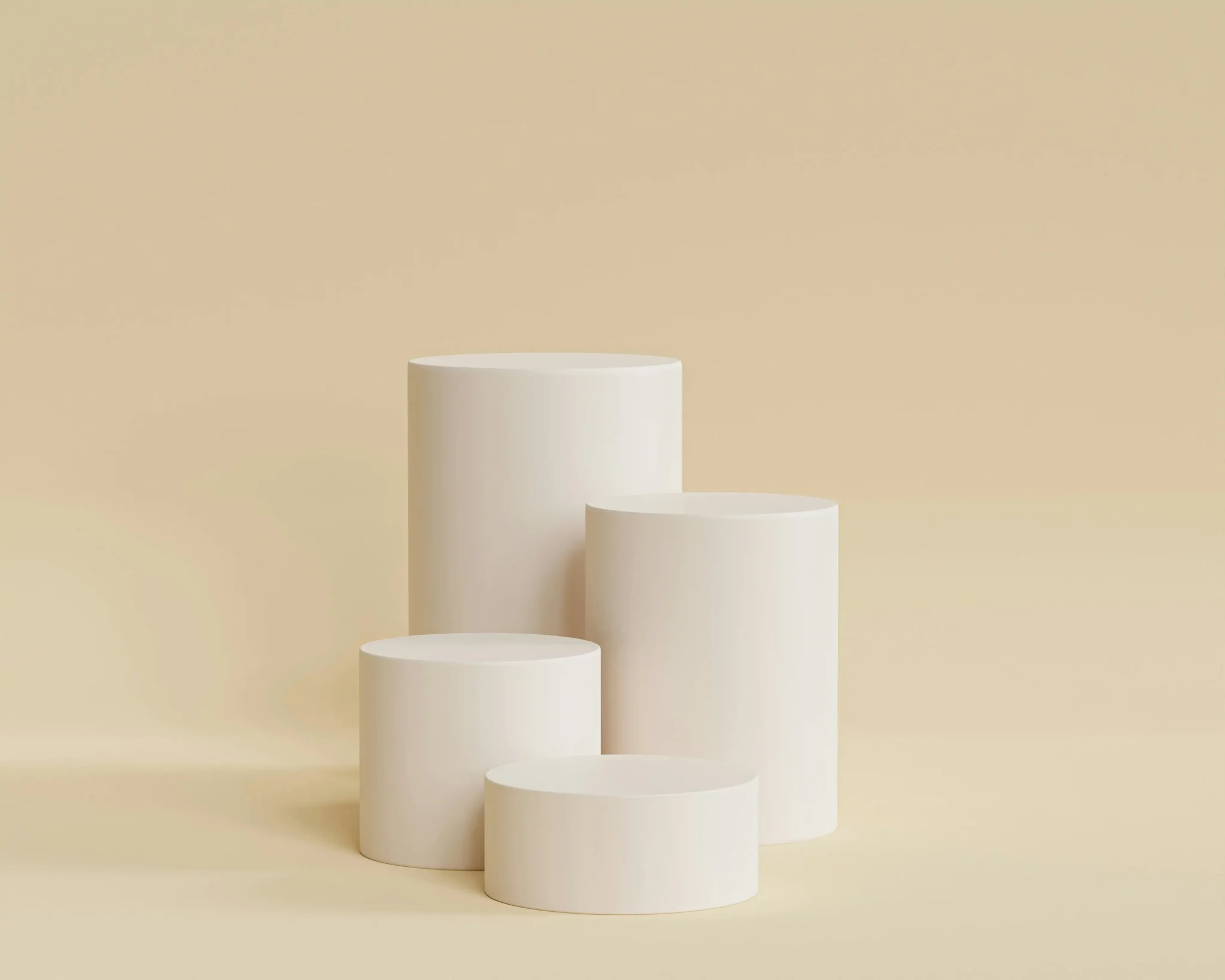
| Podium | Spotlight one product | Flagship product, launch |
| Display case | Protect and enhance | Valuable items |
| Counter | Welcome and demonstrate | Conversations, demos |
Most often, these elements are combined. A display holds the product range, a podium isolates the flagship product, and a counter supports demonstrations. For a featured product, a complementary backlit counter further reinforces the showcase effect.
The choice depends on your goal. If you want to show the breadth of a product range, the display comes first. If you’re launching a product or want to create a focal point, the podium draws the eye better.
Placing your products at the right height
Display height determines how effective a custom exhibition display is. The same product can catch the eye or go unnoticed depending on where it’s placed.
Aim for eye level
Eye level is the prime zone, since it’s where the gaze lands first. Reserve this zone for your flagship or higher-margin products. Anything placed too high or too low requires extra effort from the visitor, who may end up ignoring it. On a show floor where you have mere seconds to make an impression, this central zone becomes your best showcase.
Layer the levels
The principle comes from retail. In a shelving logic, the eye-level zone holds the key items, while secondary products go higher and lower-priority items go lower.
Adapt to your audience
The ideal height varies depending on your target audience. Think about the average height of your visitors and adjust your displays accordingly, especially if you’re addressing a specific clientele. For a family audience, for example, lower certain products to children’s height. For a business clientele, keep the essentials at adult eye level and pay close attention to the readability of technical information.
Types of furniture to showcase your products
A custom exhibition display is combined with other pieces to create a cohesive booth. Here are the main types of furniture to consider.
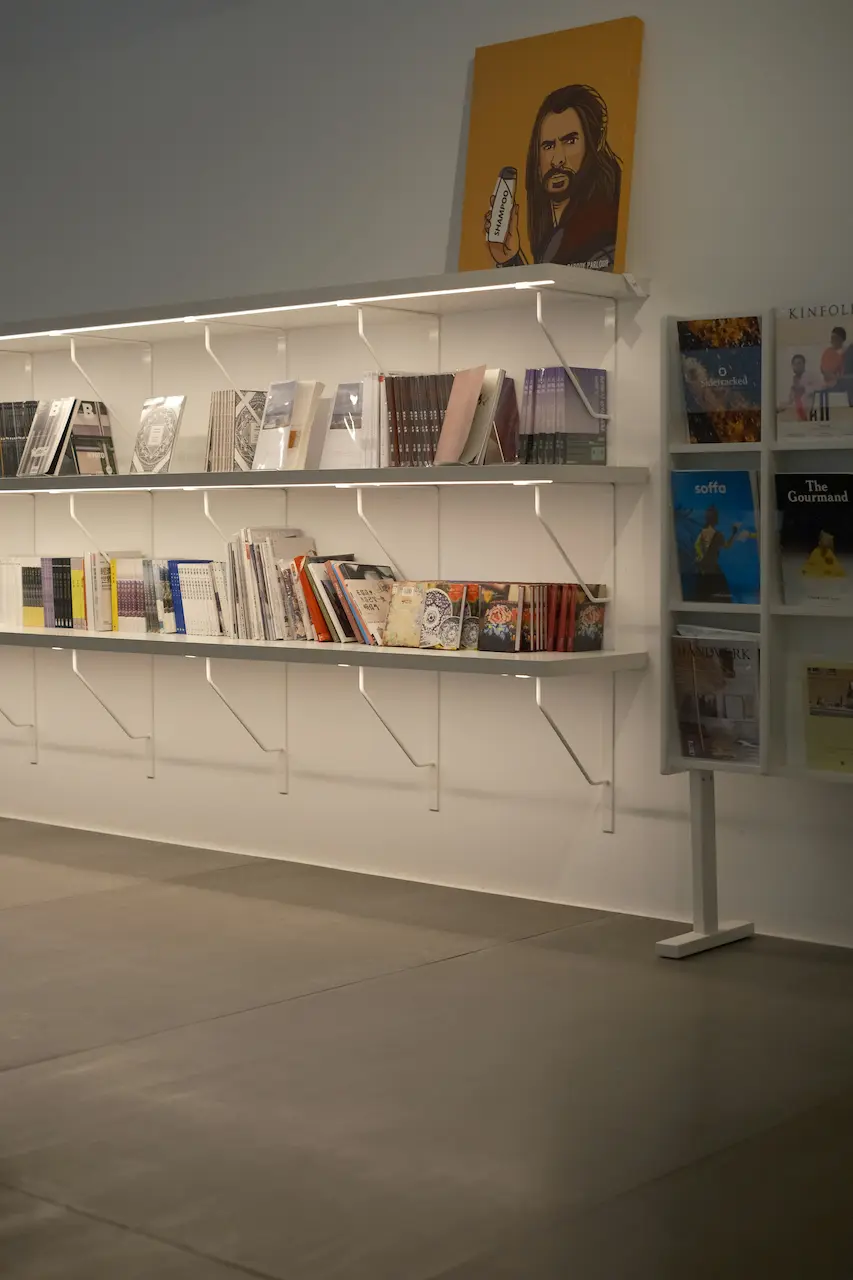
- Wall displays, which make use of height without encroaching on foot traffic
- Central podiums, perfect for isolating and elevating a flagship product
- Enclosed display cases, ideal for valuable or fragile items
- Modular shelving, which adjusts based on the number and size of products
- Demonstration counters, for handling a product and engaging with visitors
- Backlit elements, which make a product stand out even in a dark room
A few simple rules strengthen the effect. Leave space between products so they can breathe, pay attention to lighting, and avoid overloading the shelves. A clean, uncluttered display attracts more attention than a crowded one. The rule of three also helps build an attractive display, since grouping products in threes creates a pleasing visual rhythm and avoids overwhelming the visitor with too many choices.
To avoid common pitfalls, also take a look at our booth design mistakes to avoid, which often touch on product showcasing.
To build a cohesive setup, you can tell us about your project and the products you want to showcase.
Lighting, your displays’ best ally
A custom exhibition display only reaches its full potential with good lighting. Light directs the gaze, reveals details, and gives an impression of quality to your products.
Favor targeted lighting on your flagship items, using small adjustable spotlights. This lighting creates focal points that draw the eye as soon as a visitor approaches the booth.
Backlit elements add a premium touch. A backlit podium or display case makes a product stand out even in a dimly lit room, a common advantage in large exhibition centers.
Finally, avoid relying solely on the venue’s lighting, which is often cold and uniform. A few warm, well-placed light sources are enough to transform how your products are perceived.
Thinking about reuse and furniture maintenance
A custom display is an investment meant to last. Chosen well, it accompanies you across several shows, which reduces its real cost per use.
Opt for modular elements, easy to reconfigure based on the size of your space or the product range being presented. The same set can thus serve for a small booth as well as a large one.
Also plan for transport and storage. Sturdy pieces, well protected in suitable cases, keep their good looks from one event to the next and limit the need for touch-ups.
Conclusion
A custom exhibition display is not just a piece of furniture. It’s a tool that puts your products at the right height, guides the eye, and supports your sales conversations on the show floor.
The right choice rests on combining displays, podiums, and counters, designed for your products and your brand image. Height, lighting, and spacing turn an ordinary presentation into a compelling showcase.
To showcase your products at your next trade show, explore our custom event furniture.
FAQ
What’s the difference between a custom exhibition display and a podium?
A custom exhibition display is used to showcase several products in an organized way, often on shelves or wall-mounted supports. A podium, on the other hand, puts a single product in the spotlight, elevated and isolated to draw the eye. They’re often used together, a display for the range and a podium for the flagship product. The choice depends on what you want your booth to say.
At what height should you place products on a display?
Aim for eye level, since it’s the zone that captures attention first, ideal for your flagship or higher-margin products. Place secondary items a bit higher and lower-priority products lower down. Also adjust based on your target audience, since eye level varies from one crowd to another.
Is it worth choosing a custom display?
Often, yes, especially if you exhibit regularly. A custom display adapts exactly to your products, your brand image, and your booth’s space, something a generic model rarely does. It showcases your items consistently from one show to the next and can be reused for years. For a one-off use, however, a standard or rented solution may be enough.