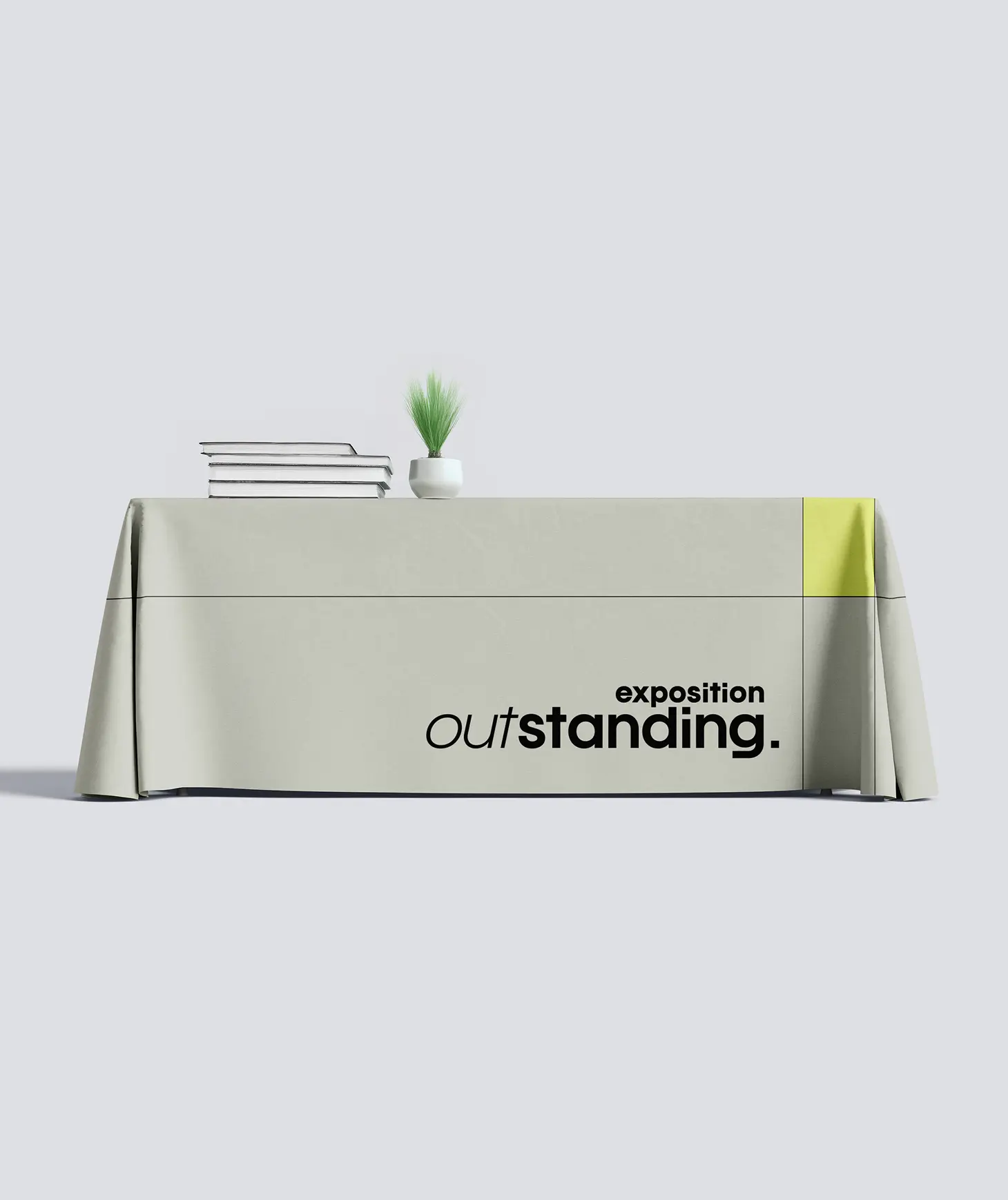
The counter is the functional heart of a trade show booth. It welcomes visitors, stores materials, and often serves as the first point of contact for starting a conversation. A backlit counter adds a major visual advantage to these functions: it attracts attention and reinforces your brand presence.
In a busy aisle, this illuminated focal point becomes a landmark. It signals where to go, whom to approach, and what you offer—without a single word being spoken. When chosen carefully, it transforms a practical piece of furniture into a powerful visibility tool.
This guide explains the role of a backlit counter, its functions within a booth, and the key criteria for selecting the right model based on your needs and budget.
What Is a Backlit Counter?
A backlit counter combines the structure of a traditional trade show counter with an integrated illuminated panel. LED strips placed behind a printed fabric graphic light up the front display, making your logo or message vibrant and easy to read from a distance.
The term backlit counter refers to the same product. It comes in various formats, including reception counters, presentation podiums, and point-of-sale counters for trade show booths, depending on the intended use.
The fabric graphic can be easily replaced when the visual changes, allowing the same structure to be reused from one event to the next. As a result, the counter becomes a long-term investment rather than a disposable piece of furniture.
Why a Backlit Counter Improves the Visitor Experience
The reception area shapes the first impression. An illuminated counter clearly identifies the point of contact and encourages visitors to approach, making it easier to start a conversation.
That interaction is valuable. According to a LinkedIn survey of 1,577 B2B marketing leaders, face-to-face interactions remain the most effective marketing channel. A clearly identified reception point increases opportunities for those conversations on the trade show floor.
The counter also naturally complements a backlit display wall. When paired with a backlit booth, it extends the lighting effect to the visitor touchpoint and creates a cohesive visual experience from the back wall to the front of the booth.
A clear reception area also reassures visitors. Many attendees hesitate to approach a booth if they are unsure where to go or whom to speak with. A backlit counter removes that uncertainty by indicating the right place, giving your team a visible anchor point, and making the interaction feel natural rather than intimidating.
The Functions of a Counter in a Trade Show Booth
A good backlit counter serves several purposes. Its versatility explains why it appears in nearly every booth setup, from small portable displays to large custom exhibits.
- Welcoming visitors and identifying the booth’s point of contact.
- Discreetly storing brochures, promotional items, and personal belongings.
- Providing a surface for product demonstrations and presentations.
- Serving as a point-of-sale counter during on-site sales.
- Strengthening brand identity through the illuminated graphic.
Each function influences the choice of model. A reception counter prioritizes visibility, while a point-of-sale counter emphasizes workspace and secure storage. Defining the primary purpose from the outset helps avoid purchasing a counter that does not fit your needs.
How to Choose the Right Backlit Counter
Beyond appearance, several criteria determine whether a counter truly meets your needs. Evaluating them before purchasing helps avoid disappointment on the show floor.
Format and Function
Start with the intended use. A simple reception point does not require the same format as a demonstration station or sales counter. Measure the available space in your booth and plan for circulation around the counter so it remains functional without creating congestion. Also consider working height and internal storage—two details that greatly affect your team’s comfort during long event days.
Backlighting Quality and Brand Image
Uniform illumination makes all the difference. Properly distributed LEDs eliminate shadows and create a professional appearance. LED lighting is also highly energy-efficient. According to Hydro-Québec, LED lighting consumes 70% to 90% less energy than incandescent lighting while producing very little heat—an advantage during multi-day events.
The fabric graphic is equally important. A material specifically designed for backlighting diffuses light evenly and preserves colors that accurately reflect your brand guidelines.
Transportation, Setup, and Durability
An event counter must withstand frequent travel. Choose a lightweight structure, a quick assembly system, and a suitable carrying case or shipping crate. Durable materials ensure the counter maintains its appearance through many trade shows. Also check the setup time: a backlit counter that assembles in minutes without tools can save valuable time during a tight installation schedule.
Interested in seeing available models? Explore the product range dedicated to counters and trade show furniture.
How to Integrate the Counter with the Rest of the Booth
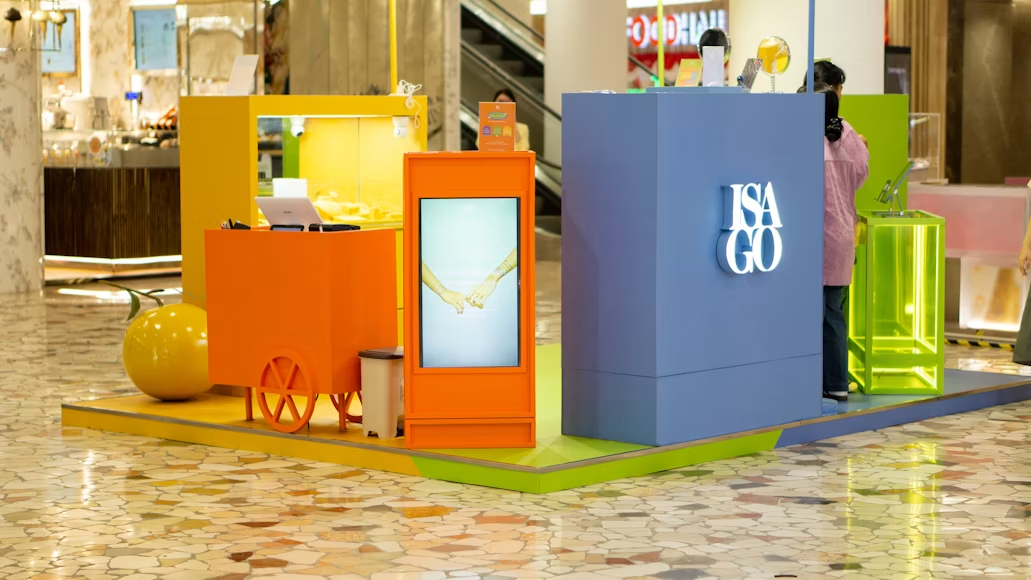
A backlit counter rarely performs at its best on its own. Its impact increases significantly when it is part of a cohesive design that includes the backdrop, banners, and booth lighting.
Start with visual consistency. The colors, logo, and typography on the counter should match the rest of the booth so the entire display is perceived as a single brand experience rather than a collection of unrelated elements. Visitors remember a unified image, not a series of disconnected panels.
Next, focus on placement. Positioned at the front of the booth or along the aisle, the counter captures traffic flow and naturally directs visitors toward your team. When properly integrated, it becomes the centerpiece of the booth experience and a valuable tool for attracting visitors as they pass by.

Comparing Counter Types
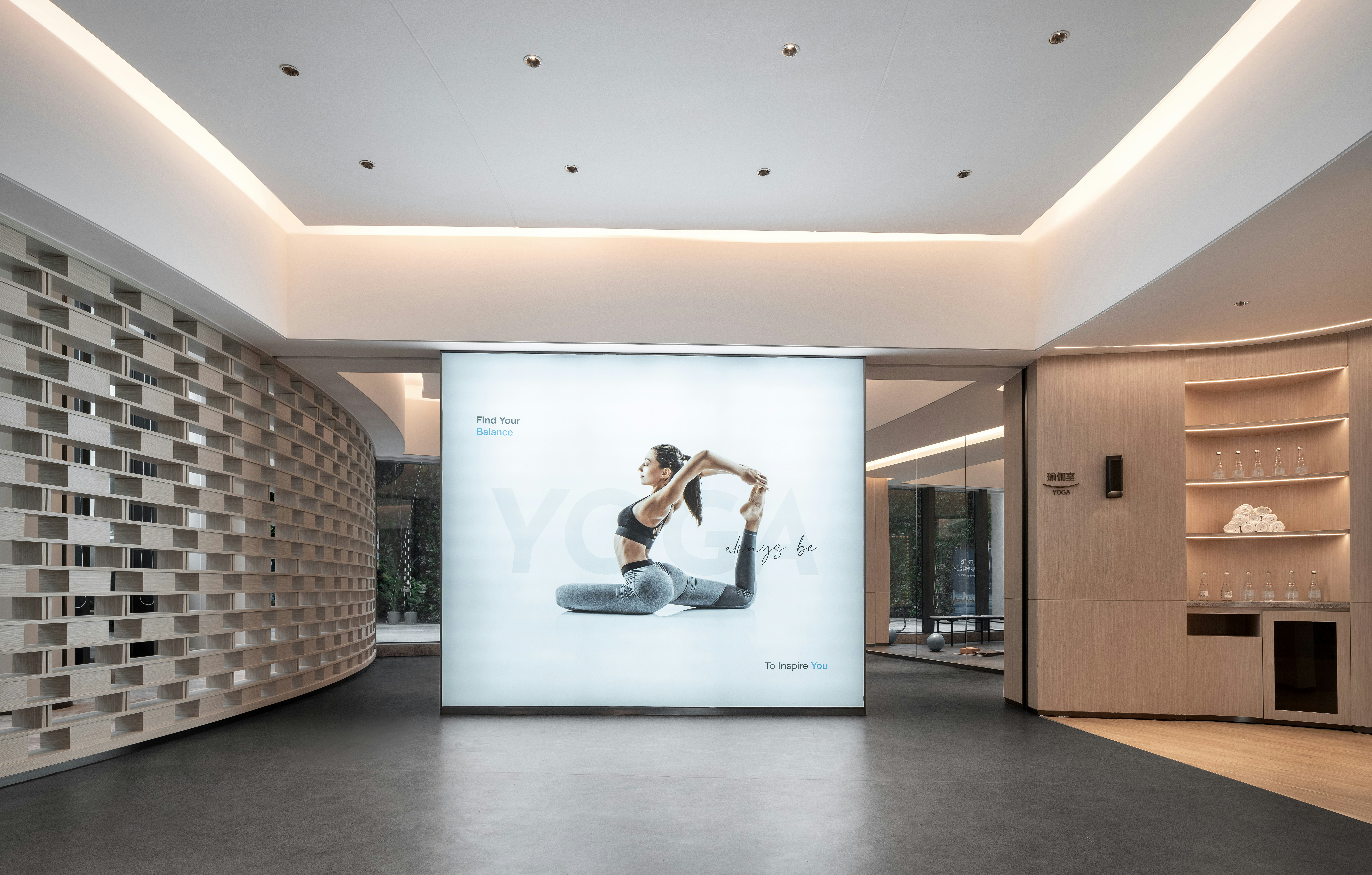
Trade show counters are available in different configurations depending on their purpose and level of customization. The table below compares the main options.
| Counter Type | Relative Cost | Visibility | Best For |
| Standard non-illuminated counter | Low | Medium | Simple reception area, limited budget |
| Backlit counter | Medium | High | Brand visibility and focal point |
| Functional point-of-sale counter | Medium | Medium | On-site sales and demonstrations |
| Custom-built counter | High | Very high | Large, high-impact exhibits |
The right choice depends on usage frequency and objectives. A backlit counter reused across multiple events quickly pays for itself, especially when it replaces repeatedly rented furniture. Over several years, the price difference compared to a basic model becomes negligible, while the professional image it projects remains significantly stronger.
Mistakes to Avoid with a Trade Show Counter
The first mistake is choosing a counter that is too large for the available space. Furniture that obstructs circulation discourages engagement instead of encouraging it. Match the size of the counter to the actual booth footprint.
The second mistake is overcrowding the front graphic. As with any backlit display, a clear logo and concise message are far more effective than dense text. This principle aligns with the design mistakes that negatively impact booth perception.
The third mistake is overlooking backlighting quality. Uneven lighting creates hot spots and dark areas that make the product look inexpensive. A well-designed counter distributes light evenly across the entire front panel.
Conclusion
A backlit counter is more than just furniture: it combines a reception point, workspace, and powerful visual landmark into a single element. The right size, uniform illumination, and durable materials make the difference between an ordinary counter and a genuine conversion tool.
When paired with a backlit booth, it creates a cohesive environment that attracts visitors and encourages interaction. To evaluate the best counter for your exhibit and receive a customized quote, present your project to a specialized team.
FAQ
What is a backlit counter used for in a trade show booth?
A backlit counter serves several purposes at once. It welcomes visitors, clearly identifies the booth’s point of contact, stores brochures and materials, and may also serve as a demonstration surface or checkout station. Its illuminated graphic attracts attention and strengthens brand visibility, making it a highly visible landmark in a crowded trade show aisle.
What is the difference between a standard trade show counter and a backlit counter?
A standard counter is a functional piece of furniture without integrated lighting, making it less noticeable within a booth. A backlit counter incorporates LEDs behind a printed fabric graphic, illuminating the display and making it visible from a distance. The backlit version stands out more and serves as a focal point, while the standard model focuses primarily on practicality and storage.
Is a backlit counter easy to transport?
Yes. Most models are designed for portability. They use lightweight structures that assemble quickly, and the printed graphic stores flat inside a dedicated carrying case. Custom-built versions require more logistical planning, but a local manufacturer can simplify transportation and installation. A proper shipping case helps protect both the counter and its lighting system between events.