A food and beverage trade show booth needs to meet constraints that few other sectors face: on-site sampling, hygiene compliance, and managing foot traffic that’s often denser than elsewhere. Ignoring these particularities often leads to a booth that looks great but is barely functional once sampling begins. A project planned well from the start, one that accounts for these sector-specific realities, generally avoids costly adjustments once the booth has already been built. This article presents the essential elements to consider for a successful presence at a food show, along with the key events to target in Quebec.
The particularities of a food and beverage trade show booth
A food and beverage show generally draws a broader, more curious audience than a typical B2B show, which translates into steady foot traffic around booths offering sampling. This reality imposes concrete constraints: smooth circulation around the booth, surfaces that are easy to clean between tastings, and compliance with hygiene and food safety rules specific to this type of event. These rules notably cover keeping food at a safe temperature throughout the day, a particularly relevant issue during long show days that sometimes stretch over several consecutive days.
Ambient temperature and exposure to direct light also deserve particular attention when perishable products are on display. A booth located near an entrance or a large window can expose samples to variations that affect their appearance or freshness over the course of the day, a detail few exhibitors anticipate before their first participation. Asking the organizer for a spot sheltered from drafts and direct sunlight, right when registering for the show, often avoids having to improvise a last-minute solution on-site.
The rapid turnover of visitors also quickly changes the nature of conversations. Unlike a B2B show where conversations stretch out, a food and beverage booth needs to convey its message within a few seconds, often while the visitor is tasting the product rather than beforehand.
Smell also plays a role that few other sectors can leverage as directly. A pleasant aroma coming from the tasting counter, like that of a hot or freshly prepared product, often draws visitors in before they even notice the booth’s signage. This olfactory signal, hard to replicate in other industries, represents a natural advantage worth consciously building into the space design rather than leaving to chance, for example by orienting food prep toward the main aisle rather than the back of the booth.
The essential elements of a booth suited to this sector
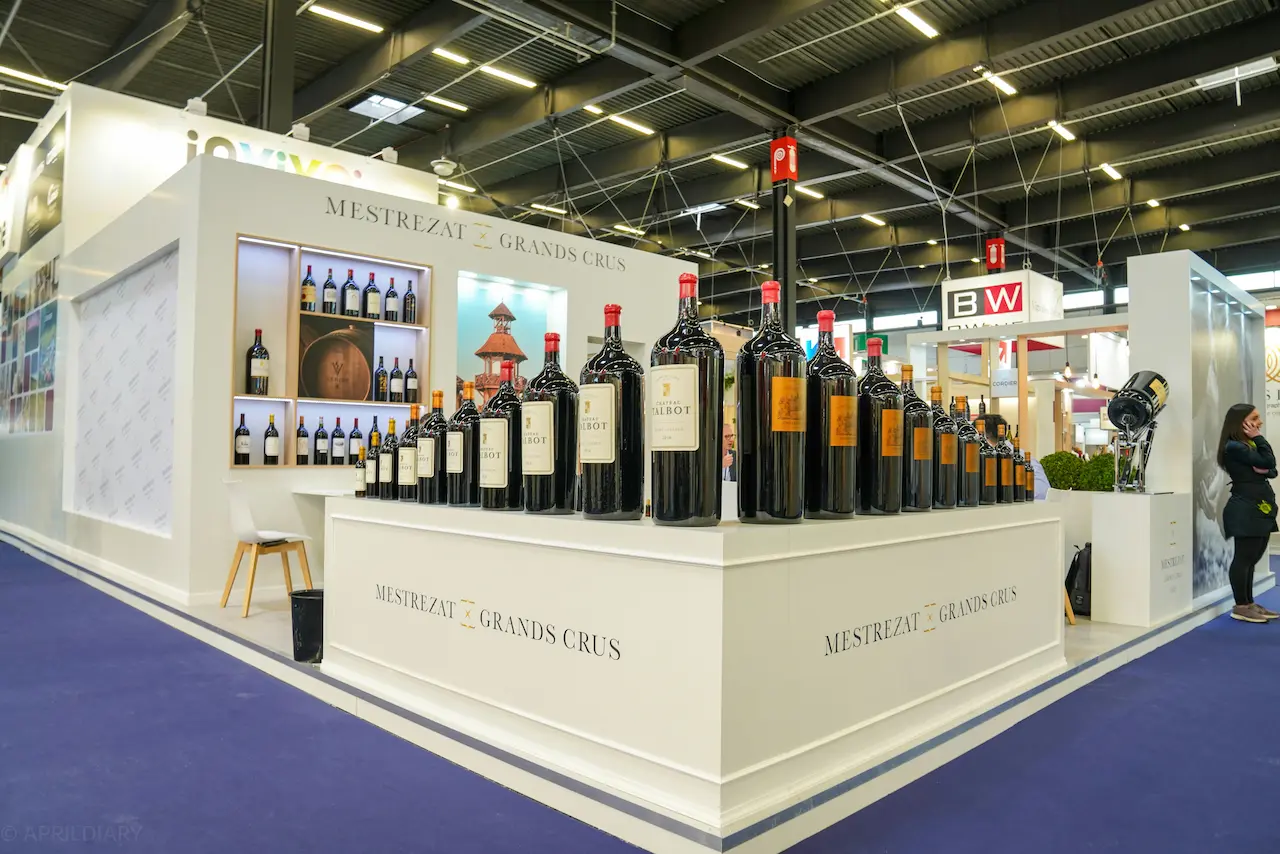
A booth designed for food and beverage benefits from incorporating certain elements right from the design phase:
- An easy-to-clean counter surface, resistant to liquids and food residue
- Enough circulation space to avoid bottlenecks around the tasting area
- A water point or cleaning solution nearby, depending on the organizer’s requirements
- Discreet storage for product reserves, separate from the area visible to visitors
These details, often secondary in other sectors, become genuine functional requirements here rather than mere aesthetic preferences. Refrigeration also deserves separate planning depending on the products presented. Some shows offer electrical access for a small fridge or a powered cooler, while others impose strict restrictions on allowed equipment, which makes it essential to check these rules with the organizer before building the booth and transporting products to the event site.
The number of staff assigned to sampling also affects the space’s design. A single staff member who has to cut samples, hand them out, and answer questions at the same time risks creating a bottleneck as soon as foot traffic increases. Planning two separate stations, one for prep and one for engaging with visitors, generally keeps things running smoothly even during the busiest hours of a well-attended show, without unduly extending wait times for each interested visitor.
The table below summarizes the main constraints to build in based on the booth’s zone.
| Booth zone | Food and beverage constraint | Solution to build in |
| Tasting counter | Direct, repeated contact with food | Washable, liquid-resistant surface |
| Circulation | Dense foot traffic around the tasting area | Sufficient width to avoid bottlenecks |
| Product reserve | Must stay out of visitors’ view | Enclosed storage, separate from the visible area |
The key shows to target in Quebec
Quebec’s food and beverage trade show calendar includes several major events, including SIAL Canada and the Saint-Hyacinthe Agricultural Expo, which rank among the sector’s most well-attended events. These shows draw both professional buyers and the general public depending on the edition, which directly affects the type of message to prioritize on the booth.
Beyond these two major events, several regional fairs held in the fall also offer good visibility, often at a more accessible participation cost than a national show. These smaller events sometimes make it possible to test a new booth or a new message with a local audience before adjusting it for a larger-scale participation.
Checking the calendar of food and beverage shows helps plan booth production far enough in advance, rather than ending up improvising a last-minute solution before a major event. For a company participating in several food fairs per year, a modular booth simplifies logistics by allowing quick reconfiguration between each event.
Optimizing your booth for tasting and sampling
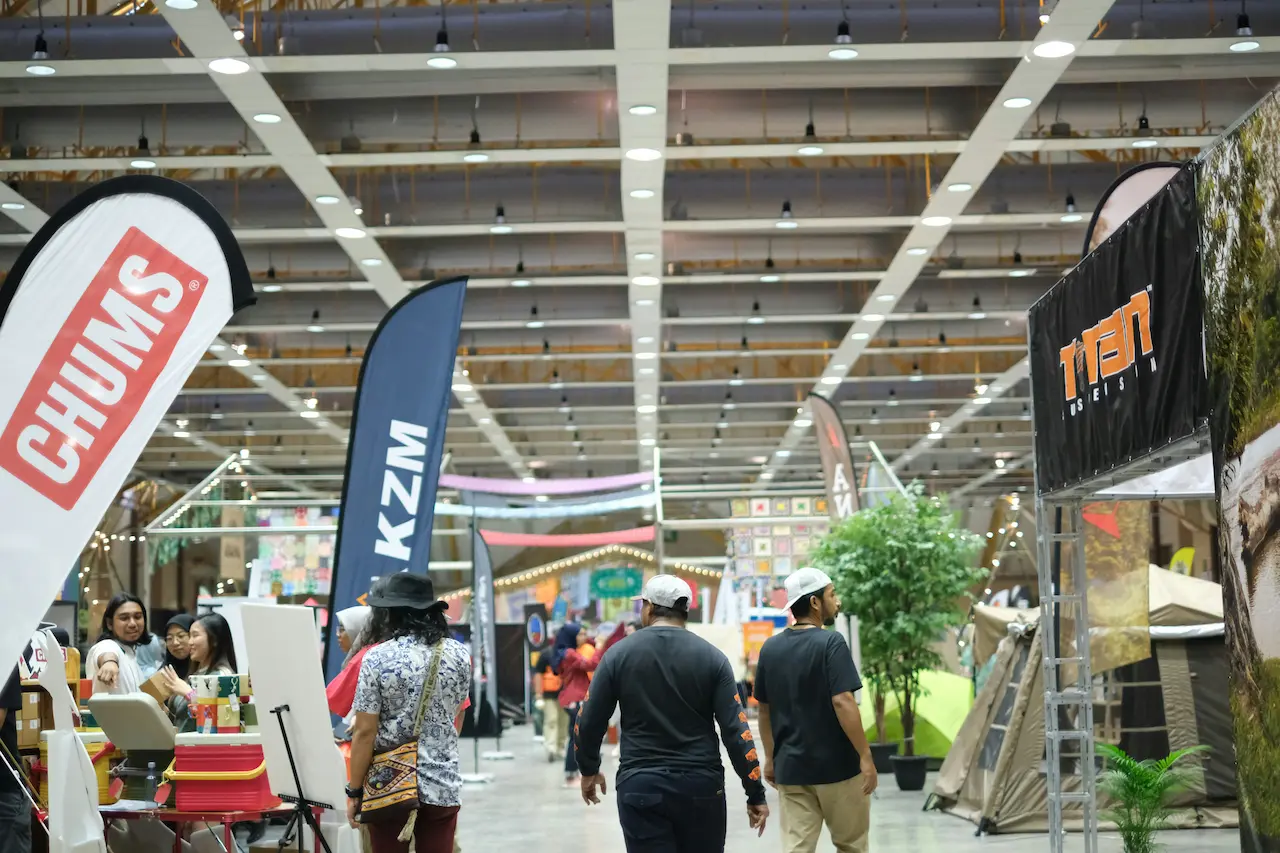
The tasting area deserves particular attention in the design. It needs to remain visually distinct from the rest of the booth, while staying easily accessible to visitors moving through the aisle. Lighting that highlights the product, without creating glare for the staff handing out samples, also improves the overall experience.
Planning a space for empty packaging and waste, out of visitors’ sight, prevents an otherwise well-designed booth from looking messy after a few hours of steady traffic.
The presentation of the samples themselves deserves thought too. Overly generous portions slow down the pace of tasting and increase waste, while portions that are too small can leave an impression of limited generosity. Finding the right balance, often through trial and error at the first few shows, helps optimize both raw material costs and visitor satisfaction, leaving them with a positive impression of the tasted product, a factor that directly affects word of mouth generated after the event.
Standing out among other food exhibitors
At a show where sampling is offered by most exhibitors, differentiation rarely comes from the product alone. Telling a short story about the product’s origin or its production method, rather than sticking to a sales pitch, often better holds the attention of visitors who have already tasted several similar samples in the same aisle.
Offering a recipe card or a simple usage suggestion to take home after the tasting also extends contact with the visitor well beyond the end of the show. This type of complementary material costs little to produce, but leaves a concrete trace that tasting alone can’t offer.
The product’s packaging itself can also become a differentiation tool at the booth. A visitor who associates a product with distinctive packaging will remember it more easily at the grocery store, weeks after the show, than if they’re left with only a vague memory of the taste. Focusing on consistency between the product’s appearance at the booth and how it will look on shelves helps build that bridge between the tasting experience and the future purchase, a connection many companies overlook despite its real influence on sales following the event.
Food and beverage trade show booth, succeeding at your show
A successful food and beverage trade show booth accounts for the sector’s specific realities: sampling, hygiene, and steady foot traffic. Planning these elements from the design stage, rather than treating them as secondary details, results in a booth that actually works on the ground, regardless of the show’s scale.
Revisiting these choices after every participation, rather than automatically reusing the same booth from one event to the next, also helps gradually adjust it to realities observed on the ground. A setup that worked well at a small regional show doesn’t necessarily meet the same needs at a national event drawing several times the foot traffic.
Discussing your presence at the next food show with a team familiar with the sector’s specific constraints lets you arrive prepared rather than managing surprises once on-site, on the day of the event.
FAQ
How do you design a food and beverage trade show booth for tasting?
A food and beverage trade show booth designed for tasting needs an easy-to-clean surface, enough circulation space around the counter, and discreet storage for product reserves. The tasting area needs to stay visible and accessible, while complying with the hygiene standards specific to food shows and to handling food intended for the general public.
What hygiene standards apply to a food booth?
Standards vary depending on the show’s organizer and the nature of the products presented, but they generally include requirements for food-contact surfaces, access to a water point, and separate management of reserves and waste. It’s recommended to check the precise requirements with the organizer before building the booth and on the day of the event.
What are the main food and beverage shows in Quebec?
SIAL Canada and the Saint-Hyacinthe Agricultural Expo rank among the most well-attended events in Quebec’s food and beverage sector, alongside several regional fairs held in the fall across the province. Each show draws a slightly different audience, professional or general public depending on the edition, which directly affects the type of message and tasting approach to prioritize at the booth presented.