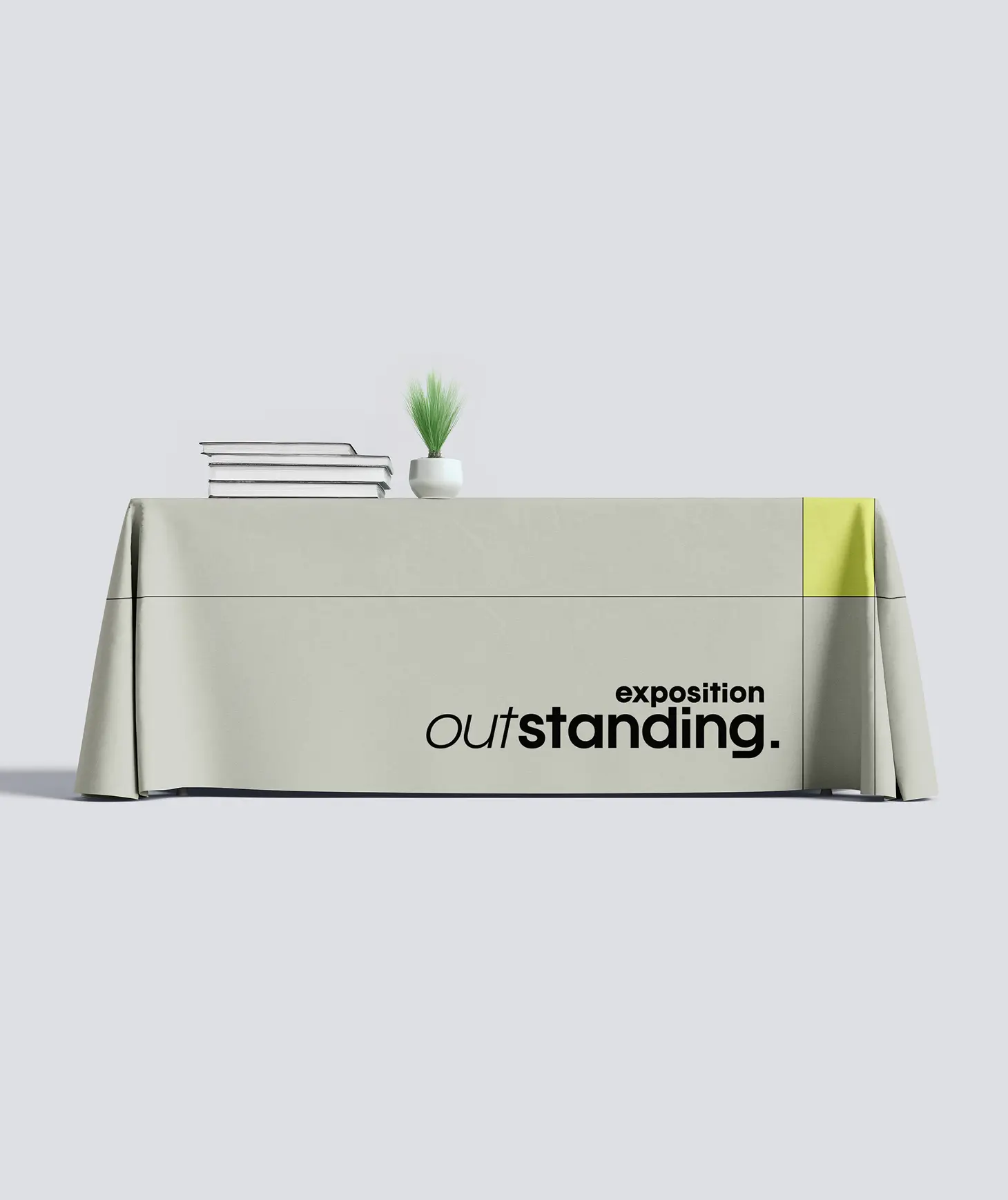
A candidate stops in front of your booth for about four seconds before deciding whether to stay or move on to the next one. At a job fair where dozens of employers compete for visitors’ attention, a poorly designed recruitment booth loses that battle before a recruiter can even say a word. This article presents the concrete elements to consider when designing a booth that reflects your employer brand, puts your recruiters at ease in their conversations, and leaves a lasting impression on the candidates who really matter to your organization.
Recruitment booth for a job fair, how it differs from a sales booth
A sales booth aims to convert a visitor into a customer that same day. A recruitment booth for a job fair pursues a different goal: sparking enough interest for a candidate to submit their resume, sign up for a process, or agree to a first phone conversation.
A concrete example illustrates this difference well. A visitor who stops in front of a sales booth generally expects an offer or an immediate demo. In front of a recruitment booth, that same visitor is instead trying to figure out whether they see themselves in the company, even before considering a specific position.
This assessment is often made based on the tone of the message and the attitude of the team on-site. The economic context reinforces this challenge: according to the Institut de la statistique du Québec, there were about 109,100 job vacancies in Quebec in the first quarter of 2026, a figure that shows just how fierce competition between employers remains in several sectors.
The message also needs to answer concrete questions job seekers ask themselves: which positions are open, what the work culture is like, what benefits set the employer apart from other companies present. A booth also needs to attract the right visitors to your booth, those who actually match the positions to fill, rather than simply maximizing foot traffic.
The elements that showcase your employer brand at the fair
An employer brand is built through several details that, together, create a cohesive impression. A few elements to build into your booth design:
- A clear message about open positions and the sectors being hired for, visible as visitors approach the booth
- Visuals showing real team members rather than generic stock images
- A space that allows for conversation, not just a lineup for dropping off a resume
- Simple follow-up materials, such as an information sheet or a QR code linking to open positions
An often-underestimated element is collaboration between the HR department and the team designing the booth. When both groups work together from the start, the message on display genuinely matches what recruiters will say on-site, which avoids the mismatches that undermine an employer’s credibility with the most attentive candidates.
Consistency across different touchpoints matters too. A candidate who checks the online listing before the fair, then visits the booth, should recognize the same tone and the same key messages from one touchpoint to the next. This continuity reassures candidates about the organization’s seriousness and reduces the feeling that the fair is just a disconnected showcase from the rest of the hiring process.
The choice of colors and materials also deserves consideration. A booth that faithfully carries the brand’s colors and typography stays more recognizable in an aisle where dozens of employers exhibit side by side. Conversely, an overly generic visual, one that could belong to any company, quickly fades from visitors’ memory once the fair is over.
Designing a space that invites conversation
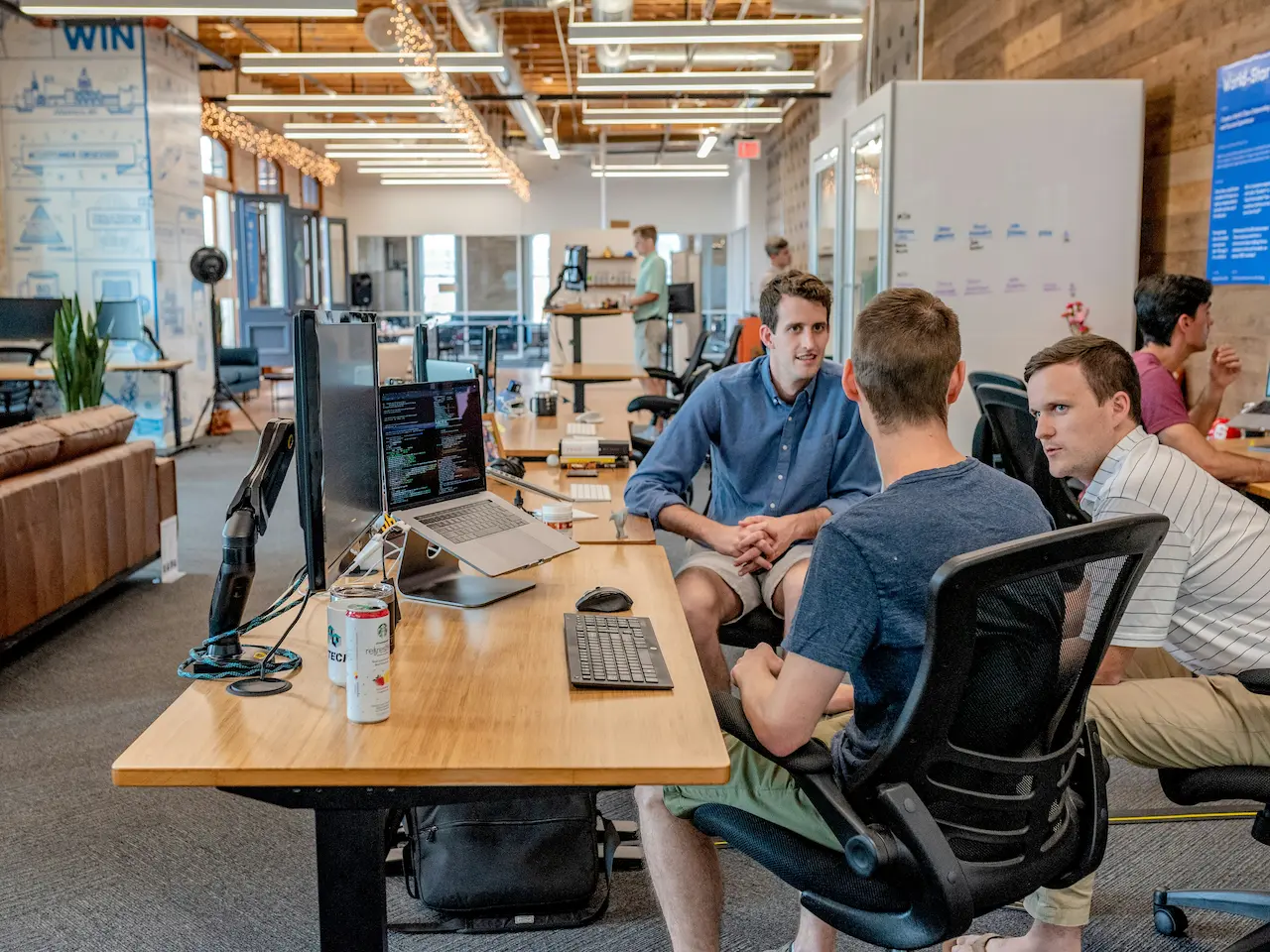
An effective recruitment booth organizes the space around three distinct zones rather than a simple reception counter.
| Zone | Role | Key element |
| Welcome | First visual contact and opening message | Clear signage on the positions being sought |
| Conversation | Discussion with a recruiter, questions and answers | Seated or semi-open space, without excessive background noise |
| Follow-up | Collecting contact information and next steps | Digital form, never a simple resume drop box |
This structure avoids two common problems at job fairs: lineups that discourage shy candidates, and rushed conversations that don’t allow for gauging genuine interest.
Furniture choice also affects how smoothly these three zones flow. Lightweight fixtures, easy to move between shows, allow the layout to be adjusted based on the size of the rented space, without needing to design a new setup for every event. This flexibility becomes especially useful for companies attending several job fairs in the same year, across different venues and space formats.
The booth’s physical layout also affects visitor behavior. A space that’s too open onto the main aisle can discourage shy candidates from stopping, while a completely closed-off space can feel intimidating. A simple compromise is to create a clear visual transition, like a rug or a low banner, that signals entry into the conversation zone without creating a physical barrier.
Before finalizing the design, it’s worth discussing your recruitment goals with a team that offers full support for your booth. This helps avoid costly mistakes once the booth has already been built.
Preparing your team and your message for recruitment day
The booth is only part of the equation. The recruiters staffing it need to know the available positions in detail, be able to answer questions about work culture, and deliver a consistent message from one team member to the next. This preparation fits into a broader approach to preparing your participation ahead of time, well before the event itself.
A good practice is to prepare a short shared talking-points list, without making it feel too scripted. Candidates quickly notice a mechanically recited pitch. It’s better to convey three or four key messages that the team can naturally rephrase depending on the conversation.
It’s also worth planning a short briefing right before the fair opens, where the team reviews key messages and divides roles: who greets visitors, who answers technical questions about positions, and who handles administrative follow-up. This division avoids moments where several recruiters give different answers to the same question, which can confuse an otherwise interested candidate.
Team members’ availability throughout the fair also deserves advance planning. Scheduling relief shifts helps prevent a recruiter, exhausted after hours of repeated conversations, from delivering a less energetic message late in the day than the one presented that morning. This consistency in energy and tone often makes a noticeable difference in how visitors passing through in the afternoon perceive the company overall.
Measuring the results of your presence at a job fair
Once the event is over, it’s worth assessing whether the booth achieved its goal. The number of applications received remains a useful indicator, but it doesn’t tell the whole story. The quality of conversations, the number of candidates who go on to an interview, and the time between the fair and the first follow-up contact give a more complete picture of the booth’s actual performance.
Comparing these results from one year to the next also helps adjust the booth’s design and message before the next event, rather than repeating the same approach out of habit. A company that systematically documents these observations builds, fair after fair, a solid understanding of what actually works with the candidates it’s trying to attract.
Discussing your needs with a team experienced in job fairs often helps quickly identify the adjustments that will make the biggest difference at the next event.
It’s also useful to gather impressions from the on-site team right after the event, while observations are still fresh. Recruiters often notice practical details, like a lack of space for conversations or poorly positioned signage, that don’t necessarily show up in application statistics but still affect the experience visitors have. Recording these observations in a short debrief, rather than letting them get lost after the booth is dismantled, makes planning the next fair much easier.
A recruitment booth for a job fair designed to convince
A successful recruitment booth for a job fair doesn’t rest on design alone, but on the consistency between the space, the message, and the team running it. By focusing on message clarity, authentic visuals, and a space that fosters conversation, a company increases its chances of holding the attention of the candidates who genuinely fit.
To talk about your recruitment project, meeting with a team specialized in exhibition booths lets you start with a clear plan rather than an improvised choice.
FAQ
How do you design a job fair recruitment booth that stands out?
A job fair recruitment booth stands out when it clearly communicates open positions as visitors approach, relies on authentic visuals rather than generic images, and provides a space suited to conversation rather than a simple lineup. Consistency between the message and what recruiters say on-site often matters more than the budget invested in the booth.
What’s the difference between a recruitment booth and a sales booth?
A sales booth aims to convert a visitor into a customer at the point of contact, while a recruitment booth aims to spark enough interest for a candidate to submit an application or agree to a first conversation. The tone is generally more human, and the message answers the questions job seekers ask about the company’s culture and specific benefits.
What follow-up materials should be used at a job fair?
A short digital form or a QR code leading directly to open positions generally works better than a simple resume drop box, which limits follow-up and makes it harder to reconnect with promising candidates. Also planning a concise information sheet helps visitors remember the company after visiting dozens of booths in a single busy fair day.