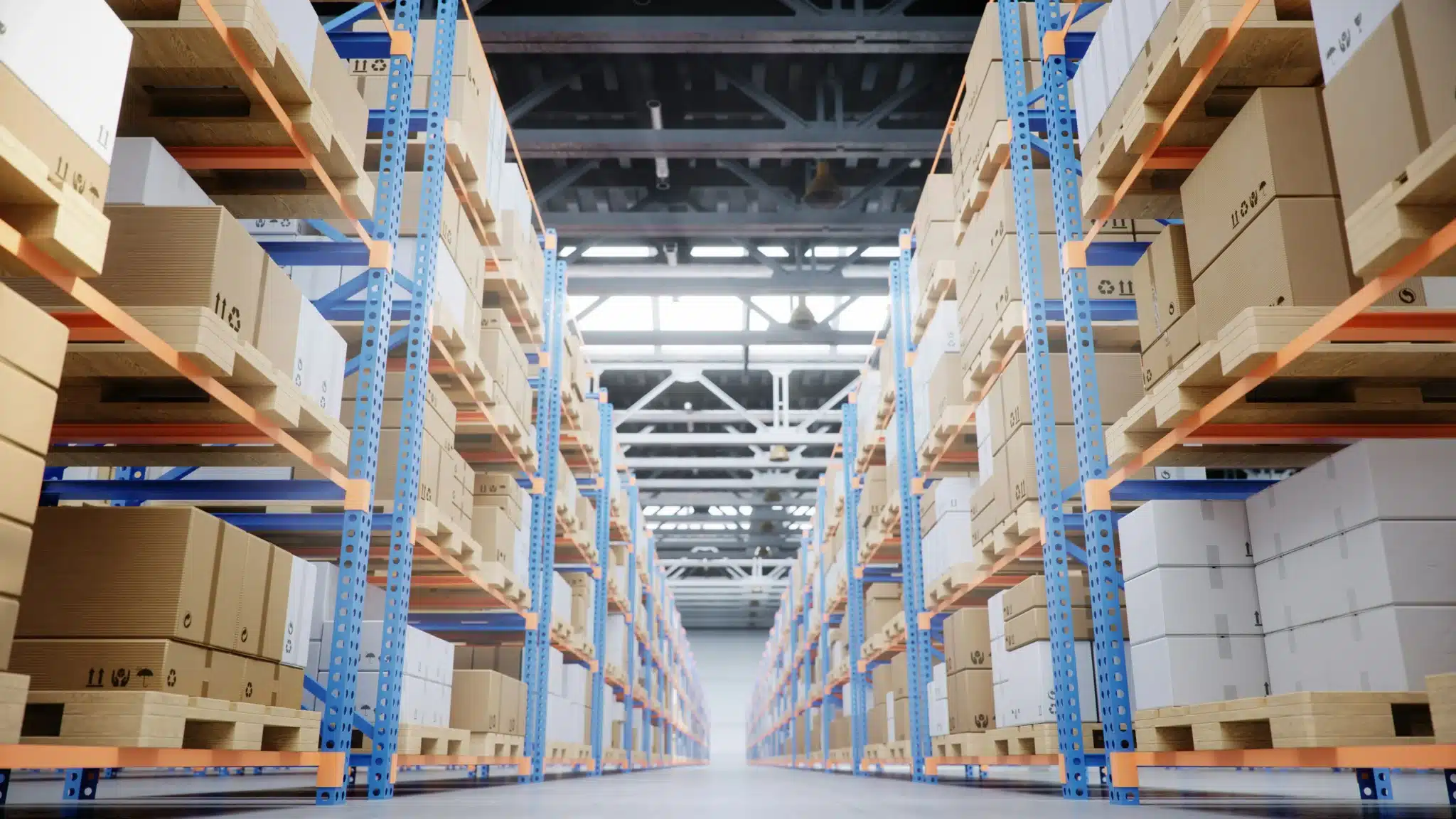
Trade show exhibit storage means keeping your booth in a controlled environment and maintaining it between events. A dry space with stable temperature, combined with an inspection after every event, prevents damage, protects your graphics, and significantly extends the lifespan of your investment.
A well-designed exhibit often represents several thousand dollars and weeks of work. Yet once the show is over, that same booth all too often ends up stacked in a corner of a garage or a damp storage room, with no protection. The result: warped graphics, cracked panels, and missing hardware by the very next event.
Treating storage and maintenance as an active step in the exhibit’s life cycle, rather than just a pause, changes everything. That’s what allows you to preserve your booth’s appearance and structural integrity, show after show, without racking up costly repairs.
Why trade show exhibit storage protects your investment
A booth doesn’t just wear out during events. It’s actually damaged more between shows, when no one is watching it. Repeated transport, assembly, disassembly, and improvised storage weaken every component.
The most common damage, however, is easy to avoid with a bit of method. Here’s what threatens a poorly stored booth:
- Graphics and prints that warp, fade, or grow mold
- Wood and melamine panels that warp under the effect of humidity
- Tension fabrics that wrinkle, stain, or tear
- Hardware, lighting, and small parts that get lost from one show to the next
Each of these types of damage leads to repair or replacement costs. Trade show booth storage planned from the outset therefore directly protects the value of your equipment.
The ideal storage conditions for a trade show booth
The worst enemy of a stored exhibit isn’t physical impact, but exposure to environmental conditions. Temperature, humidity, light, and dust degrade materials slowly, with nothing appearing wrong, until the damage becomes irreversible.
Temperature and humidity under control
Organic materials, like wood and canvas, absorb moisture, swell, and then shrink depending on ambient air. It’s sudden swings that cause the most damage. According to the optimal storage conditions recognized for this type of material, the goal is a stable temperature and moderate relative humidity.
| Factor | Risk to the Exhibit | Recommended Condition |
| Humidity | Warped graphics, mold, wood warping | Stable relative humidity, around 40 to 55% |
| Temperature | Cracks, failing adhesives, discoloration | Around 10 to 25°C, with no sudden swings |
| Direct light | Fading of prints and fabrics | Shielded from sunlight and UV |
| Dust and handling | Scratches, stains, premature wear | Clean space, packaged components |
Packaging, crates, and labeling
A good environment isn’t enough if the booth is stacked haphazardly. Every rigid piece benefits from traveling in a properly sized crate, fabrics should be clean, dry, and carefully folded, and lighting or fragile pieces deserve padding. Labeling each crate and keeping an inventory also speeds up reassembly at the next show.
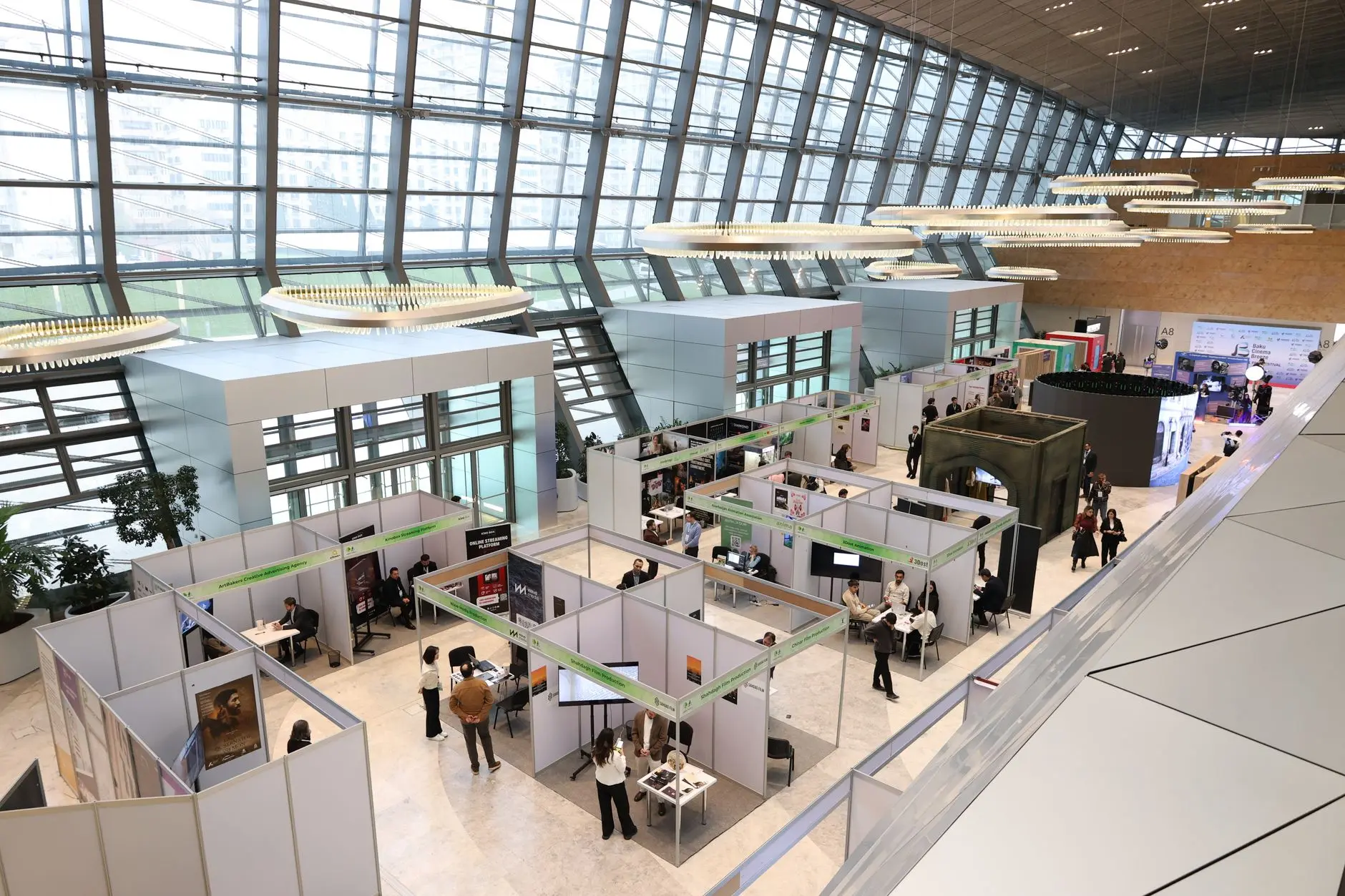
Exhibit maintenance between events
Storing the exhibit between events goes hand in hand with regular maintenance. Storing a damaged booth only locks the problem in place until the next show.
Inspecting right after the show
The best time to spot damage is immediately after disassembly, before storage. A small crack ignored today becomes a costly repair tomorrow. Putting an inspection protocol in place after every show makes it possible to document the equipment’s actual condition and plan fixes in time.
Cleaning graphics and surfaces
Cleaning before storage prevents ground-in stains and preserves the sharpness of prints. Graphics should be treated with a soft, non-abrasive cloth, while laminate surfaces should be dusted gently. A clean booth at the time of storage comes back out looking flawless, ready to win over visitors at the next event.
Before storing your booth, take the time to assess its condition piece by piece, and plan storage that matches the level of your investment.
In-house storage or a turnkey service
You have two options for storage between two shows: handle everything in-house or hand it all over to a specialized partner. The choice mainly depends on how often you exhibit and how much space you have available.
Managing storage yourself gives you immediate access to the equipment, but requires a suitable space, time, and careful handling. Handing this off to a team that already offers a turnkey solution takes care of the controlled environment, inspection, and transport logistics all at once. Reusable modular structures benefit especially from this kind of professional follow-up, since they’re used over several years.
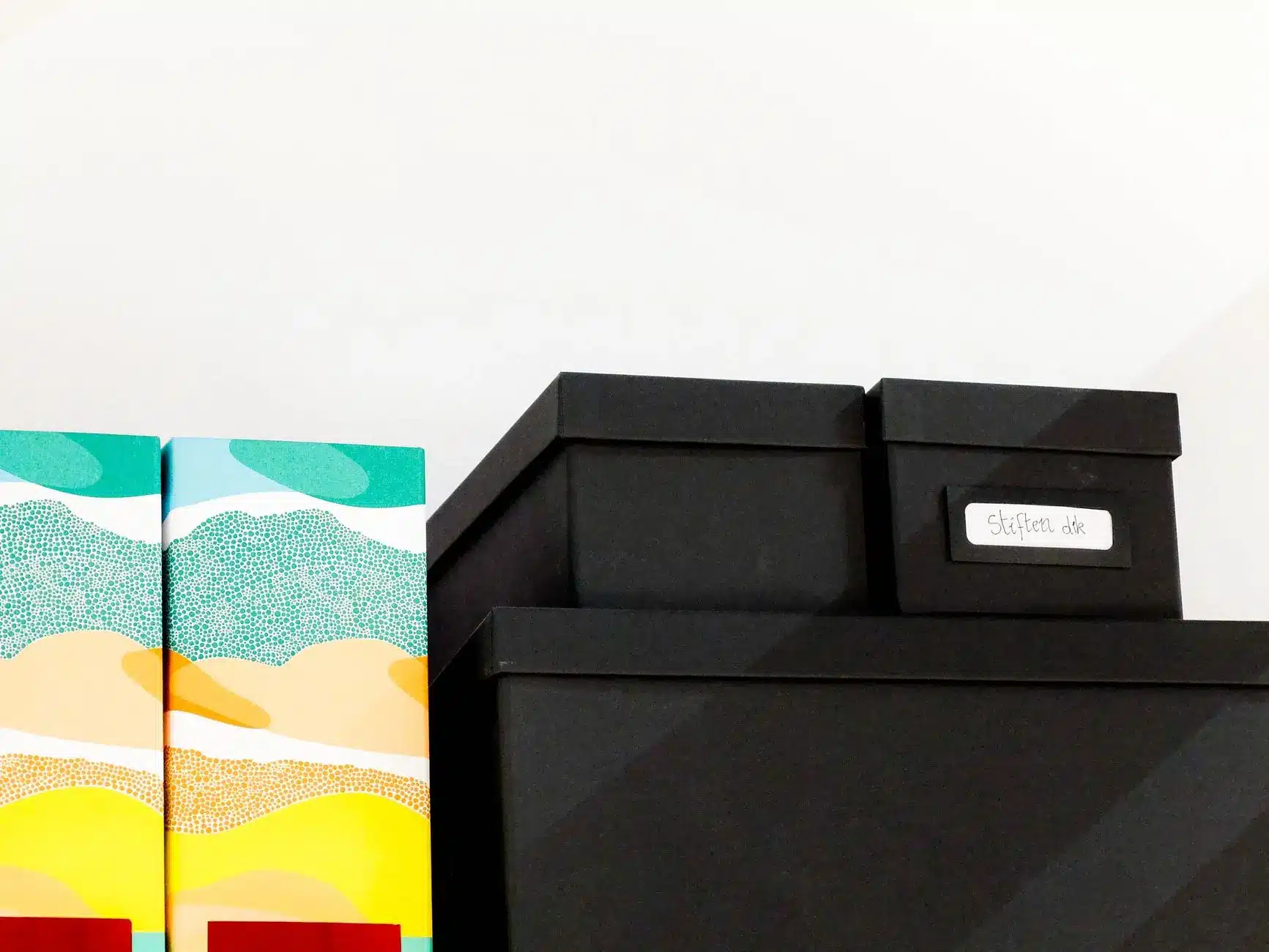
For a company that exhibits often, delegating storage frees the team from maintenance tasks and reduces the risk of damage. This makes it possible to properly prepare for your participation, without the stress of logistics. Organizations that exhibit less often can also simply consider opting for a rental rather than managing a long-term asset.
Exhibit lifespan and long-term planning
An exhibit’s lifespan doesn’t just depend on how it was built, but also on the care it has received season after season. Planned preventive maintenance, with lighting components replaced and fabrics refreshed at the right time, avoids unpleasant surprises.
This is where trade show exhibit storage really comes into its own: treated as active management of your asset, it turns simple storage into genuine protection for your marketing budget. A well-maintained booth keeps its professional look and sturdiness, event after event, pushing back the need to invest in a new exhibit that much further.
Conclusion
Well-planned trade show exhibit storage isn’t an expense, it’s a guarantee of your booth’s longevity. A dry, stable space, systematic inspection after every show, and careful packaging are enough to prevent most damage and keep your graphics looking sharp. Whether you choose to manage storage in-house or delegate it, the important thing is to plan for this step starting today. Assess your booth’s condition, define your storage conditions, and give your investment the best chance of lasting for years to come.
FAQ
What is trade show exhibit storage?
Trade show exhibit storage covers the storing and protecting of your booth in a secure space between two events. A good service includes an environment with stable temperature and humidity, packaging in properly sized crates, labeling of every component, and regular inspection. This approach prevents damage, keeps graphics looking flawless, and simplifies logistics when it’s time to head back to a show.
How long can a well-maintained exhibit last?
An exhibit’s lifespan mainly depends on the quality of its construction and the care it receives between shows. A sturdy modular booth that’s cleaned, inspected, and stored in a controlled environment can serve for several years and many events. Conversely, careless, damp, or improvised storage speeds up wear. Preventive maintenance remains the simplest way to get the most out of your investment over the long term.
What conditions should a good warehouse offer?
A warehouse suited to storing a trade show booth should be dry, clean, and shielded from pests and direct light. Temperature should stay stable, without sudden swings that warp wood and melamine panels. Moderate relative humidity protects graphics from warping and mold. Shelving, labeled crates, and an inventory log round out a space designed to preserve every component of the exhibit.
Is it better to store the exhibit yourself or outsource this service?
It all depends on how often you exhibit and how much space you have available. Managing storage in-house offers quick access but requires a suitable space, time, and careful handling. Handing storage over to a specialized partner takes care of the controlled environment, inspection, and transport logistics all at once. For companies that exhibit regularly, this option reduces the risk of damage and frees the team from maintenance tasks.